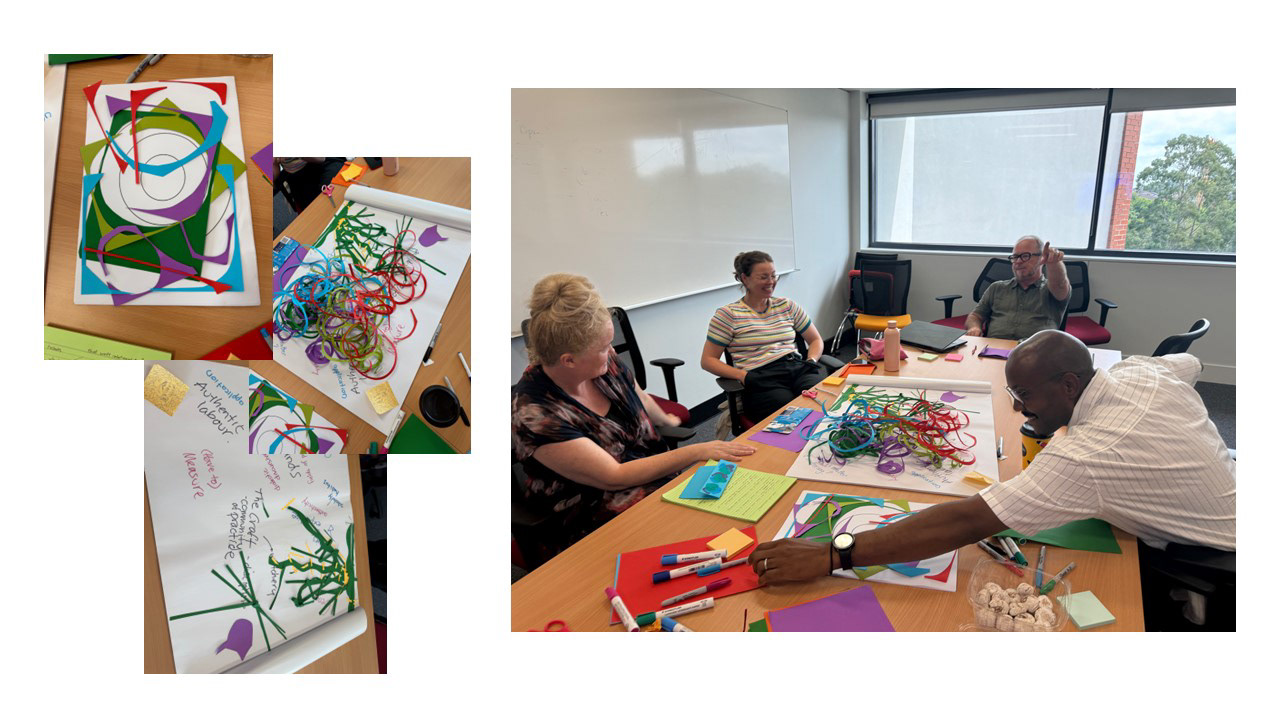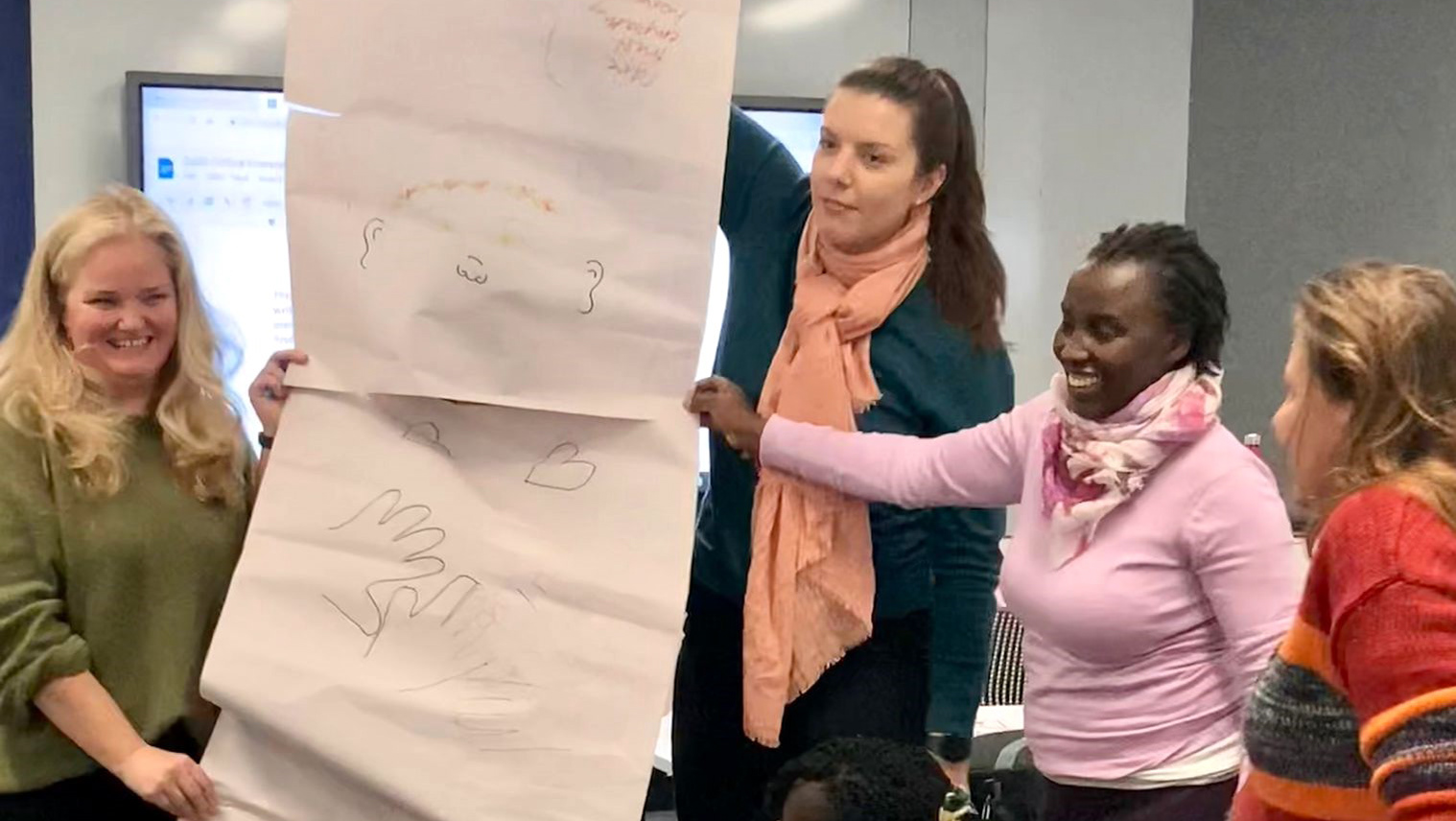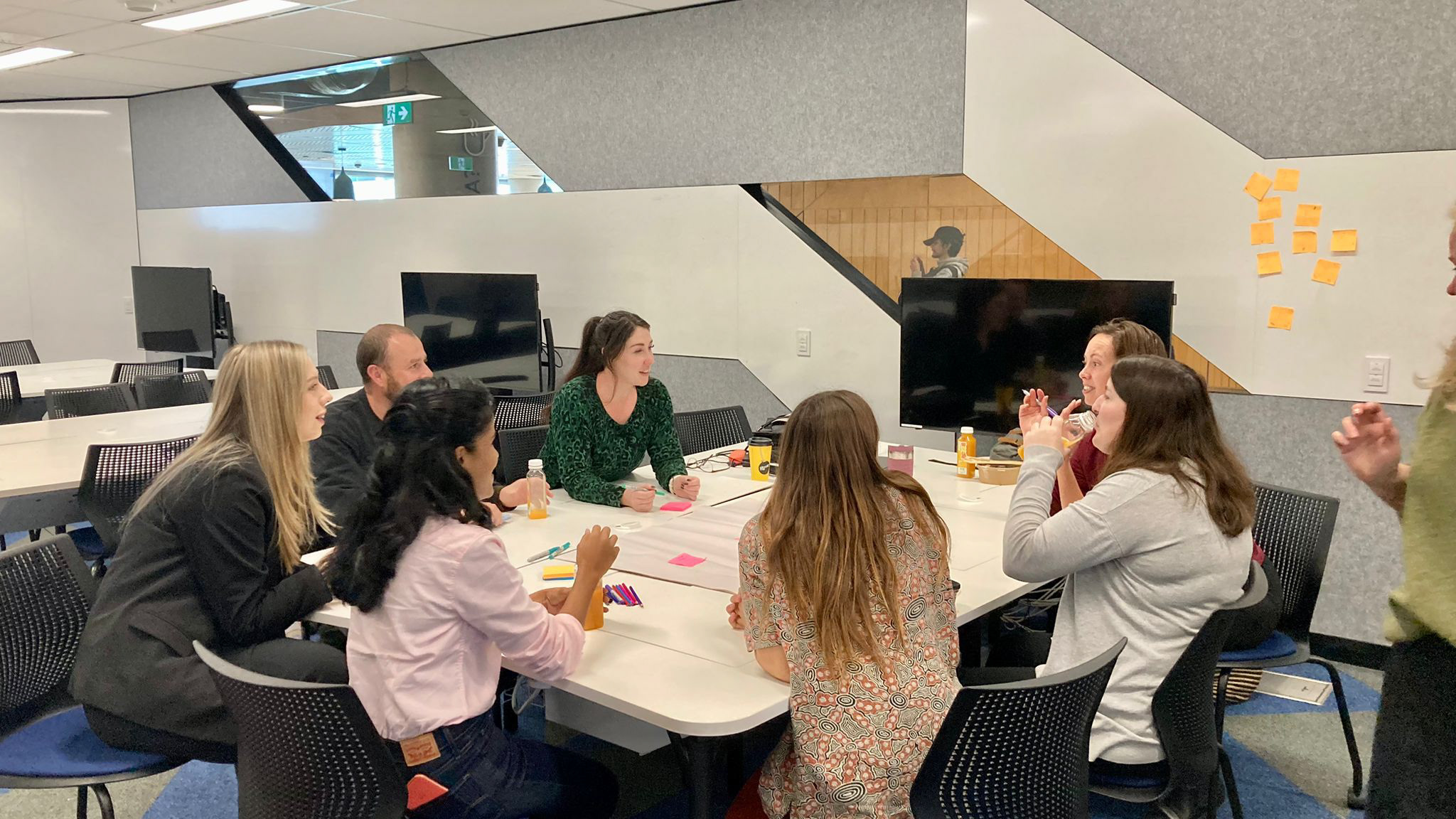
Critical pedagogy offers a frame through which to understand, interrogate, and interrupt the practices – teaching, learning, research, scholarship, activism, and service – that characterise and structure the routines of our institutional lives. Because these practices take place in contexts marked by policy landscapes that are ideological, media discourses that are neither neutral nor innocent, and power arrangements that often mimic and reproduce the contradictions of neo-liberalism, critical pedagogy becomes a site for educators to clarify their values and commitments; to examine how institutional conditions might be disrupted toward more just possibilities; to work with others in designing practices that challenge the status quo; to advocate for creative, humane approaches to academic work; and to imagine institutional life as a shared responsibility – an act of care, stewardship, and regeneration.
Keywords: A socially engaged approach to talking pedagogy
Purpose and vision:
As education practitioners we are woven into the messy, practical, and reflective worlds of teaching, learning, and education. But seldom do we get the opportunity to collectively reflect on our own teaching and learning practices. We rarely get the chance to think through and be in the contradictions of teaching and learning and to consider how these tensions have been theorized as 'pedagogy’.
Acknowledging that we as a group are diverse and transdisciplinary, the purpose of Keywords in the Wild is to have structured and generative discussion that will then be made available to the broader teaching community at WSU as a keywords document.
A keywords approach focuses on a key term related to teaching, learning, education, or pedagogy. The approach:
- Tries to understand where the key term comes from (in the wild)
- Looks at how it has been written and spoken about or theorized
- Interrogates how the term orients action, work, consciousness, and/or subjectivity.
- Thinks about how keywords become common-sense or taken for granted practice.
- Asks us to reflect on our own position within the relations of teaching, learning, education, HE institutions, and the scholarship of each.
Objectives:
- Collectively work through and discuss core issues in education and pedagogy
- Support emergent scholars with their teaching practice and pedagogical literacy
- Outputs that support teaching staff across the SoSS
- With an eye to possible publications (long term)
- Teaching mentorship through dialogical learning
- Structured and generative sessions
- Sessions that focus on a keyword as an object of investigation, reflection, and writing. Including a variety of textual, audio, and visual formats.
- Generative in creative discussion and producing written materials for the SoSS
- Mobilizing the CPRG knowledge base as a way to deepen and expand the SoSS engagement with pedagogy.
- Promote an approach that is energising for group members bringing a sense of dynamism that recognises we all have different histories, experiences and understandings of pedagogy.